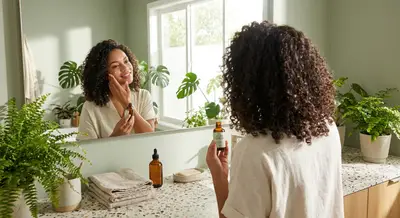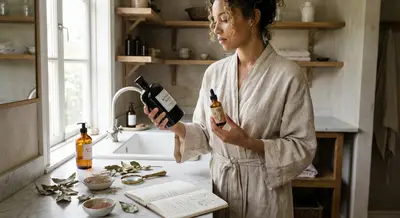

Natural beauty isn’t about a 20-step routine or the latest viral product—it’s about understanding your skin, choosing ingredients that are proven to work, and building a routine you can actually stick to. With so much “clean,” “non-toxic,” and “natural” marketing noise, it’s easy to feel overwhelmed or misled. This guide breaks down science-backed skincare in clear, practical terms: what to use, why it works, and how to build a routine that gives you real, visible results.
What “Natural Beauty” Really Means (Beyond Marketing)
“Natural” isn’t a regulated term in skincare. A product can call itself natural even if it contains synthetic ingredients—which isn’t necessarily bad. What actually matters is:
- Safety: Is the ingredient well-studied and safe at the concentration used?
- Efficacy: Is there evidence (clinical or lab-based) that it does what it claims?
- Compatibility: Does it work for your specific skin type and concerns?
Many powerful skincare ingredients are naturally derived, then stabilized or refined in a lab to make them safer and more effective. For example, vitamin C, hyaluronic acid, and squalane often start from plant or microbial sources but are processed to improve purity and consistency.
Instead of focusing on “natural vs synthetic,” focus on:
- Evidence-backed ingredients
- Transparent brands that list full INCI (ingredient) names
- Fragrance level (especially if you’re sensitive)
- Packaging that protects active ingredients (like opaque, air-restrictive bottles)
Natural beauty is less about a label and more about supporting your skin’s barrier, microbiome, and long-term health with ingredients that are proven to work.
Know Your Skin: The Foundation of Any Routine
Before choosing products, identify your skin type and main concerns. A science-backed routine is targeted, not random.
Common skin types:
- Normal: Few breakouts, minimal sensitivity, balanced oil and hydration.
- Dry: Tightness, flaking, dullness, more visible fine lines.
- Oily: Shine, enlarged pores, frequent breakouts.
- Combination: Oily T-zone, normal or dry cheeks.
- Sensitive: Reacts easily to products, redness, stinging or burning.
Common concerns:
- Acne or congestion
- Hyperpigmentation and dark spots
- Redness or rosacea-prone
- Fine lines, texture, and early signs of aging
- Dehydration (lacking water) vs dryness (lacking oil)
A dermatologist or licensed esthetician can help you refine this, but even self-observation over a few weeks—how your skin feels morning vs evening, in dry vs humid environments—will guide better choices than any “skin quiz” alone.
Key Natural & Science-Backed Ingredients to Know
Below are powerful ingredients often found in “natural-leaning” routines, plus how they work and who they’re best for.
1. Niacinamide (Vitamin B3)
- What it does: Supports the skin barrier, reduces redness, regulates oil, helps fade hyperpigmentation, and improves fine lines.
- Science: Studies show niacinamide at 2–5% can improve barrier function, reduce transepidermal water loss, and reduce hyperpigmentation.
- Best for: Almost all skin types, especially sensitive, acne-prone, and redness-prone.
2. Vitamin C (Ascorbic Acid & Derivatives)
- What it does: Brightens, supports collagen production, reduces free radical damage from pollution and UV.
- Science: L-ascorbic acid at 10–20% is well studied for photoprotection and pigment improvement when used with sunscreen.
- Best for: Dull, uneven skin tone, early aging, hyperpigmentation.
Tip: Sensitive skin may prefer gentler derivatives like sodium ascorbyl phosphate or ascorbyl glucoside, even if they’re slightly less potent.
3. Hyaluronic Acid & Glycerin
- What they do: Attract and bind water in the skin, helping it look plumper and smoother.
- Science: They’re humectants—ingredients that pull water into the stratum corneum (top layer of skin). HA exists naturally in skin and decreases with age.
- Best for: Dehydrated, tight-feeling skin; safe for all types.
Important: Always pair humectants with an occlusive or emollient (like a cream or oil-based moisturizer) to “seal” in hydration, especially in dry climates.
4. Plant Oils & Butters (Squalane, Jojoba, Shea, etc.)
- What they do: Soften skin, support the natural lipid barrier, reduce transepidermal water loss.
- Science:
- Squalane (often derived from sugarcane or olives) mimics skin’s natural squalene, is non-comedogenic, and excellent for barrier support.
- Jojoba oil is structurally similar to skin’s sebum and is well tolerated by many skin types.
- Best for: Dry, compromised, or irritated skin; used in moderation in acne-prone skin.
5. Gentle Exfoliants (Lactic Acid, Mandelic Acid, PHA)
- What they do: Dissolve dead skin cells, improve texture and radiance, help faded dark spots and fine lines over time.
- Science:
- Lactic acid (often from fermentation) is an AHA with hydrating properties.
- Mandelic acid (from bitter almonds) penetrates more slowly—good for sensitive/acne-prone.
- PHAs (like gluconolactone) are the gentlest, with humectant effects.
- Best for: Dullness, rough texture, mild hyperpigmentation, non-active acne.
6. Mineral Sunscreens (Zinc Oxide, Titanium Dioxide)
- What they do: Physically block or scatter UV rays, preventing sunburn, hyperpigmentation, collagen breakdown, and skin cancers.
- Science: UV exposure is the number one extrinsic cause of skin aging. Daily broad-spectrum SPF 30+ is the single most important anti-aging step.
- Best for: Everyone, every day. Mineral filters are often better for sensitive or rosacea-prone skin.
Building a Simple, Science-Backed Skincare Routine
You don’t need a complicated routine. Start with 3–5 key steps, then layer in actives only if and when your skin is ready.
Morning Routine (AM)
Step 1: Gentle Cleanse (or Rinse)
- If your skin is dry or sensitive, a lukewarm water rinse may be enough.
- If oily or you used actives overnight, use a low-pH, gentle cleanser (cream or gel, sulfate-free).
- Look for: Vitamin C (10–20%), niacinamide (2–5%), or a combined antioxidant serum (with ferulic acid, vitamin E, or green tea).
- Purpose: Protects against environmental stress (UV, pollution), brightens tone over time.
- A lightweight serum with hyaluronic acid + glycerin helps maintain hydration.
- Apply to slightly damp skin for best effect.
- Dry skin: Cream with ceramides, shea butter, or squalane.
- Oily/combination: Gel-cream with humectants and light emollients, non-comedogenic.
- Broad-spectrum SPF 30+ every morning, even if indoors (UVA penetrates windows).
- Sensitive skin: Choose a mineral sunscreen with zinc oxide and/or titanium dioxide.
- Use a generous amount: about 1/4 to 1/3 teaspoon for face and neck.
Step 2: Antioxidant Serum (Optional but Powerful)
Step 3: Hydrating Layer
Step 4: Moisturizer
Step 5: Sunscreen (Non-Negotiable)
Evening Routine (PM)
Step 1: Cleanse (Single or Double)
- If you wear sunscreen and makeup, consider:
- Oil or balm cleanser first to dissolve makeup and sunscreen.
- Follow with a gentle water-based cleanser.
- If you don’t wear makeup and have dry skin, a single gentle cleanse is enough.
Step 2: Targeted Treatment (Rotate as Needed)
Choose one of the following on treatment nights (not all at once, especially if you’re new to actives):
- Exfoliant (1–3x/week)
- For sensitive: PHA or low-strength lactic acid (5–10%).
- For acne/texture: Mandelic or salicylic acid (though salicylic is less “natural,” it’s strongly evidence-based for acne).
- Retinoid (2–4x/week after acclimation)
- Retinol or retinaldehyde products are derived from vitamin A and have strong evidence for collagen support, texture, and pigment.
- Start 1–2x/week and increase as tolerated.
- Not “natural” in the marketing sense, but one of the most science-backed anti-aging ingredients.
- Niacinamide / Barrier Serums (Most nights)
- Great on non-exfoliant, non-retinoid nights to soothe and strengthen skin.
- Use a richer cream at night if your skin runs dry or you’re using actives.
- Look for ceramides, cholesterol, fatty acids, and/or plant oils (like jojoba, sunflower, squalane).
- If your barrier feels compromised (stinging, redness, roughness), stop actives and lean into simple, fragrance-free, barrier-focused products until it recovers.
Step 3: Moisturizer & Barrier Support
Product Recommendations by Category
These are examples of science-informed, generally well-formulated products that lean toward gentle and ingredient-conscious formulations. Always patch test and adjust for your own sensitivities.
(Note: Availability can vary by region; check brand sites or authorized retailers.)
Cleansers
- CeraVe Hydrating Facial Cleanser (gentle, barrier-supporting; dry–normal skin)
- La Roche-Posay Toleriane Purifying Foaming Cleanser (oily/combination; fragrance-free)
- Avène Tolerance Extremely Gentle Cleanser (very sensitive, minimal ingredients)
Hydrating Serums
- Vichy Minéral 89 (hyaluronic acid + volcanic water, great under most routines)
- La Roche-Posay Hyalu B5 Serum (HA + panthenol; plumping and soothing)
- The Ordinary Amino Acids + B5 (lightweight, barrier-friendly humectants)
Antioxidant / Brightening Serums
- SkinCeuticals C E Ferulic (gold-standard vitamin C serum; pricey, very well studied)
- La Roche-Posay Pure Vitamin C10 Serum (10% ascorbic acid + salicylic; brightening)
- Naturium Vitamin C Complex Serum (vitamin C derivatives + antioxidants; more gentle)
Moisturizers
- CeraVe Moisturizing Cream (ceramides, hyaluronic acid; face and body)
- First Aid Beauty Ultra Repair Cream (colloidal oatmeal, shea butter; soothing for dry/sensitive)
- La Roche-Posay Toleriane Double Repair Face Moisturizer (barrier-supporting, lightweight)
Mineral Sunscreens
- EltaMD UV Physical Broad-Spectrum SPF 41 (tinted mineral; sensitive skin)
- La Roche-Posay Anthelios Mineral Sunscreen SPF 50 (face, mineral filters)
- Beautycounter Countersun Mineral Sunscreen Lotion SPF 30/50 (mineral filters; focuses on cleaner formulations)
(Always verify the latest ingredient lists directly on the brand’s website, as formulations can change.)
Ingredient Red Flags & Common Myths
Red Flags to Watch For
- “Chemical-free” claims: Everything is made of chemicals, including water. This is pure marketing.
- No full ingredient list: Avoid products that don’t disclose their full INCI list.
- Strong essential oil blends in leave-on products: Some essential oils (like citrus oils, peppermint, eucalyptus) can be irritating or photosensitizing in higher amounts.
- Overloaded exfoliants: Cleansers, toners, serums, and masks all with strong acids can wreck your barrier.
Common Myths
- Myth: Natural oils can replace sunscreen.
Reality: No oil, including coconut, carrot seed, or raspberry seed oil, provides reliable, standardized sun protection. You still need an SPF-tested sunscreen.
- Myth: If it tingles, it’s working.
Reality: Stinging and burning can mean irritation, not effectiveness. Gentle, consistent use wins.
- Myth: You need to “detox” your skin.
Reality: Your liver and kidneys handle detox. Skin benefits from cleansing, exfoliation, and barrier support—not detox teas or harsh masks.
How to Introduce New Products Safely
To protect your barrier and avoid unnecessary irritation:
Patch Test
- Apply a small amount behind the ear or along the jawline once a day for 3–5 days. - Watch for redness, burning, or bumps.
Add One Product at a Time
- Wait 1–2 weeks between new actives so you can pinpoint what works—or what irritates.
Follow the “Low and Slow” Rule with Actives
- Start with lower concentrations and less frequent use. - For retinoids: 1–2x/week, then build to every other night if your skin tolerates it.
Listen to Your Skin
- Persistent burning, peeling, or stinging is a sign to reduce frequency, buffer with moisturizer, or stop altogether.
When to See a Professional
DIY and over-the-counter routines can do a lot, but some concerns need professional input:
- Persistent, painful, or cystic acne
- Rapidly changing moles or new, unusual skin lesions
- Severe, spreading rashes or unexplained skin pain
- Rosacea that’s worsening or unresponsive to gentle routines
- Melasma or deep-set hyperpigmentation that doesn’t respond to sunscreen and topical care
- Rule out medical conditions
- Prescribe stronger, evidence-based treatments (like tretinoin, azelaic acid, or oral medications)
- Guide you on safe use of lasers, peels, and in-office procedures
A board-certified dermatologist can:
Conclusion
Natural beauty isn’t about perfection, filters, or a “pure” ingredients list—it’s about respecting your skin’s biology and supporting it with ingredients that are proven to work. A smart, natural-leaning routine combines:
- Gentle cleansing
- Reliable sun protection
- Hydrating, barrier-supporting ingredients
- Thoughtful use of evidence-based actives like vitamin C, niacinamide, exfoliants, and retinoids
You don’t need a drawer full of products to see change. Start with a simple, science-backed routine, stay consistent for at least 8–12 weeks, and adjust based on how your skin responds. Your healthiest glow comes from understanding what your skin actually needs—and feeling empowered to ignore the rest.
Sources
- American Academy of Dermatology – How to Build a Skin Care Routine – Overview of essential skincare steps and dermatologist-backed guidance
- Harvard Health Publishing – The Science of Skin Care – Explains how key ingredients like retinoids, vitamin C, and moisturizers work
- Cleveland Clinic – Niacinamide for Skin: Benefits and How to Use It – Evidence-based breakdown of niacinamide’s benefits and usage
- Mayo Clinic – Sunscreen: How to Help Protect Your Skin from the Sun – Detailed guidance on effective sunscreen use and UV protection
- National Center for Biotechnology Information (NCBI) – Hyaluronic Acid: A Key Molecule in Skin Aging – Research review on hyaluronic acid’s role in hydration and aging
Key Takeaway
The most important thing to remember from this article is that this information can change how you think about Natural Beauty.