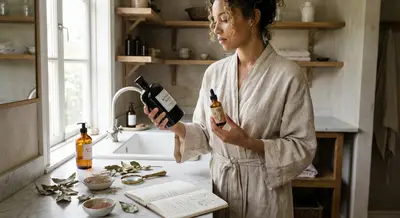
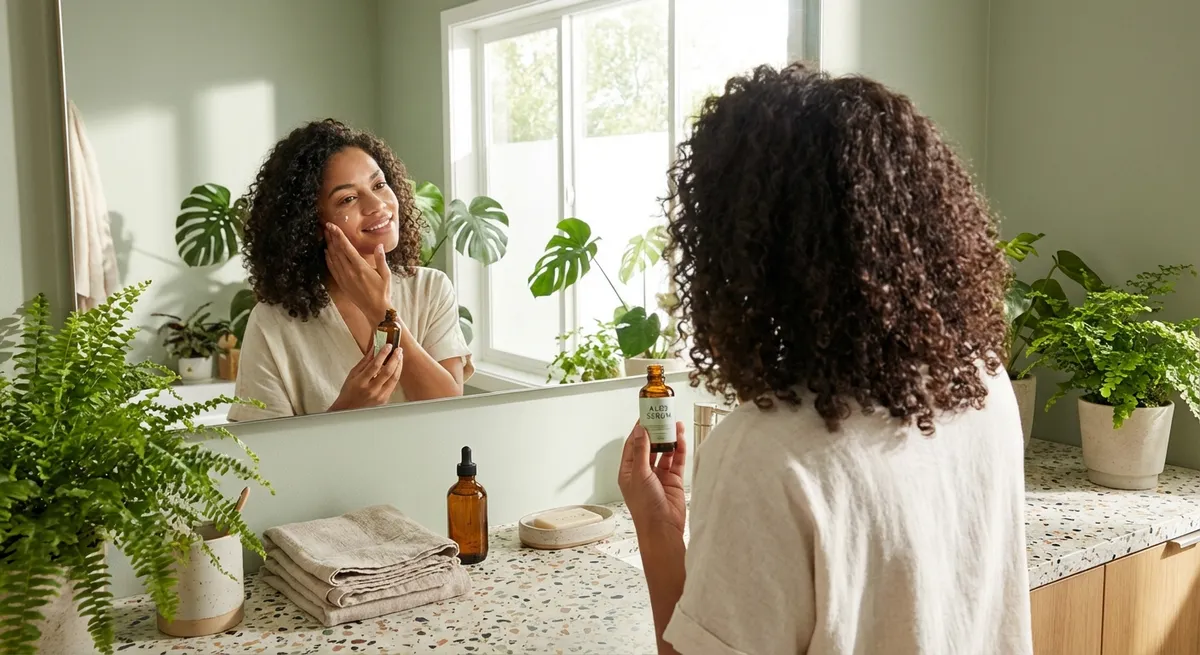
Natural beauty isn’t about doing “less” — it’s about doing what works, with ingredients and routines that respect your skin and your health. Instead of chasing trends or “clean” buzzwords, this guide focuses on evidence-based skincare that leans into gentle, mostly plant-derived ingredients, while still honoring what dermatology and cosmetic science know actually delivers results.
Below you’ll find clear routines, ingredient breakdowns, and product-type recommendations designed to help you build a natural-leaning regimen that’s effective, enjoyable, and sustainable.
What “Natural Beauty” Really Means (And What It Doesn’t)
“Natural” is not a regulated term in cosmetics, which means it can be slapped on almost anything. That’s why it’s more useful to focus on:
- Ingredients that are well-tolerated and minimally irritating
- Formulas grounded in clinical research, not just marketing
- Simplicity: fewer, better products instead of a 12-step routine
- Harmony with your skin barrier rather than aggressive stripping
Also important:
- Natural doesn’t always mean safer. Poison ivy is natural; so is cyanide. Many potent allergens are plant-derived.
- Synthetics are not automatically “bad.” Hyaluronic acid, ceramides, and many peptides are lab-made versions of what your skin already uses.
- Your skin can’t read a label. It responds to molecular structure and concentration, not whether something came from a leaf or a lab.
A smart “natural beauty” approach chooses evidence-backed ingredients, minimizes unnecessary irritants, and uses fragrance (natural or synthetic) very carefully, especially on sensitive or acne-prone skin.
Know Your Skin Type and Barrier Before You Buy Anything
Before overhauling your products, understand your skin’s baseline:
The Core Skin Types
- Normal: Rare breakouts, minimal shine or flaking, tolerates most products.
- Dry: Tightness, flaking, dullness, fine lines more visible.
- Oily: Shine by midday, enlarged pores, congestion common.
- Combination: Oily T-zone, drier cheeks or jawline.
- Sensitive: Stings, flushes, or reacts easily to products, especially fragrance and acids.
- Burning or stinging with gentle products
- Sudden roughness, redness, or flaking
- Products that “used to work” now cause irritation
Signs Your Skin Barrier Is Compromised
A damaged barrier makes everything harder: breakouts linger, redness increases, and anti-aging ingredients become harder to tolerate. Natural beauty starts with respecting and repairing the barrier using:
- Ceramides
- Cholesterol
- Fatty acids (e.g., linoleic acid, sunflower seed oil)
- Humectants like glycerin and hyaluronic acid
Core Science-Backed Ingredients in Natural-Led Skincare
You don’t need every trending ingredient. These are the heavy hitters with robust evidence, including many that come from natural sources.
1. Vitamin C (L-Ascorbic Acid & Derivatives)
What it does:
- Brightens dark spots and evens tone
- Supports collagen production
- Neutralizes free radicals from UV and pollution
Best for: Dullness, hyperpigmentation, prevention of photoaging.
Natural-leaning options:
- Formulas combining vitamin C with ferulic acid and vitamin E (both plant-derived antioxidants).
- Gentler derivatives (e.g., sodium ascorbyl phosphate, tetrahexyldecyl ascorbate) for sensitive skin.
- Use in the morning, under sunscreen.
- Store away from light and heat to prevent oxidation.
Tips:
2. Niacinamide (Vitamin B3)
What it does:
- Reduces redness and blotchiness
- Supports barrier function
- Helps regulate sebum (oil)
- Softens appearance of pores and fine lines
Best for: Almost everyone, especially sensitive, rosacea-prone, and oily skin.
Why it fits a natural philosophy:
While synthesized, niacinamide is a vitamin your skin recognizes and uses to support normal function, often replacing harsher ingredients.
3. Retinoids (Including “Gentler” Options)
What they do:
- Increase cell turnover
- Improve fine lines, uneven texture, and pigmentation
- Prevent and treat acne
- Retinol: Widely used, effective with consistent use.
- Retinaldehyde (retinal): More potent than retinol, often well-tolerated.
- Granactive retinoid (HPR): Synthetic, but gentler for sensitive users.
- Plant-derived compound from Psoralea corylifolia.
- Shown in some studies to offer similar anti-aging benefits with less irritation.
- Works well in routines that aim for a natural aesthetic while still respecting evidence.
Options:
Natural-adjacent alternative: Bakuchiol
4. AHAs and BHAs (Exfoliating Acids)
Alpha Hydroxy Acids (AHAs): Lactic acid, glycolic acid, mandelic acid
- Improve texture and radiance
- Help with hyperpigmentation
- At low strengths, can hydrate (especially lactic acid)
- Oil-soluble, penetrates inside pores
- Great for blackheads and acne
- Many AHAs are originally derived from sugar, milk, or fruit; formulas in your products are typically lab-purified for stability and safety.
Beta Hydroxy Acid (BHA): Salicylic acid
Natural connections:
5. Ceramides, Fatty Acids, and Natural Oils
What they do:
- Rebuild and protect the skin barrier
- Reduce dryness, flaking, and sensitivity
- Support elasticity and resilience
- Sunflower seed oil (high linoleic acid)
- Safflower oil
- Argan oil
- Rosehip oil (also contains natural vitamin A derivatives and antioxidants)
- Jojoba oil (chemically similar to skin’s natural sebum)
Barrier-supporting oils to look for:
Avoid heavily comedogenic oils (e.g., coconut oil on acne-prone faces) unless you’ve patch-tested and know they work for you.
Ingredient Red Flags: “Natural” Doesn’t Mean Non-Irritating
Ingredients that are plant-based can still cause reactions, especially in leave-on products:
- Highly fragranced essential oils (especially citrus, mint, cinnamon, clove, tea tree in high concentration)
- Unbuffered DIY acids (lemon juice, apple cider vinegar) – can burn and disrupt your barrier
- Raw plant material (e.g., crushed fruit on skin) – uncontrolled pH, potential for irritation or allergies
If you love a sensorial experience, opt for low-fragrance or fragrance-free formulas on the face and use your favorite essential oils safely diluted in body care instead.
Step-by-Step: A Natural-Led Morning Routine (All Skin Types)
This is a template; you can customize based on your skin type and specific concerns.
Step 1: Gentle Cleanse (or Rinse Only)
- Normal/Oily/Combination:
Use a low-pH, sulfate-free gel or foaming cleanser with mild surfactants and soothing botanicals (e.g., aloe, green tea, oat extract).
- Dry/Sensitive:
Use a creamy, non-foaming cleanser or simply rinse with lukewarm water if your skin isn’t oily in the morning.
What to look for on the label:
- Glycerin, betaine, panthenol
- Avoid harsh sulfates like SLS as primary surfactants if you’re sensitive.
Step 2: Antioxidant Serum
Goal: Protect against UV and pollution, brighten, and support collagen.
Options:
- Vitamin C + E + Ferulic Acid Serum
- Or a multi-antioxidant serum with green tea extract, resveratrol, and niacinamide.
- Apply on clean, dry or slightly damp skin.
- A pea-sized amount is typically enough for face; extend to neck and chest.
Application tips:
Step 3: Moisturizer (Barrier Support)
Choose based on skin type:
- Oily/Combination: Lightweight gel-cream with:
- Niacinamide
- Green tea or licorice extract
- Low concentration hyaluronic acid or glycerin
- Dry/Sensitive: Richer cream with:
- Ceramides, cholesterol, fatty acids
- Oat extract (avenanthramides), aloe, or panthenol
- Occlusives like shea butter or squalane (plant-derived)
Step 4: Mineral-Forward Sunscreen (Daily, No Exceptions)
Why mineral filters?
Zinc oxide and titanium dioxide are inorganic filters that sit on top of the skin and reflect/scatter UV, often preferred by those who want a more “natural” feel or have very sensitive skin.
Look for:
- Broad-spectrum SPF 30+
- Zinc oxide and/or titanium dioxide as active ingredients
- Tinted mineral formulas if you’re concerned about white cast
- Use 2–3 finger-lengths for face and neck.
- Reapply every 2 hours if in direct sun, or after sweating/swimming.
Apply:
Step-by-Step: Night Routine for Natural Radiance and Repair
Evening is when you focus on repair, gentle exfoliation, and cell turnover.
Step 1: Makeup/Sunscreen Removal (Double Cleanse If Needed)
- First cleanse (if wearing makeup or heavy SPF):
- Second cleanse:
Use a fragrance-free cleansing oil or balm with plant oils (e.g., sunflower, safflower, jojoba).
Repeat with your gentle morning cleanser.
This reduces friction and avoids aggressive scrubbing.
Step 2: Treatment Step (Rotate Based on Skin Goals)
You don’t need everything at once. Rotate to avoid overloading your skin.
Option A – Retinoid Night (2–4x/week)
- After cleansing, apply a pea-sized amount of retinol/retinal/bakuchiol to dry skin.
- Wait a few minutes, then follow with a soothing moisturizer.
- Use a low to moderate strength AHA (e.g., 5–8% lactic or mandelic acid) or a 1–2% salicylic acid product.
- Avoid layering with retinoids the same night if you’re sensitive.
- Skip actives; just cleanse and apply:
- A ceramide-rich moisturizer, and
- A few drops of a non-comedogenic oil (e.g., squalane, rosehip, or jojoba) if extra dry.
Option B – Exfoliation Night (1–2x/week)
Option C – Barrier Recovery Night (2–3x/week or more if sensitive)
Step 3: Moisturizer and Optional Oil
- Choose a fragrance-free or low-fragrance moisturizer with:
- Ceramides
- Glycerin
- Hyaluronic acid
- Panthenol
- Oat or centella asiatica extract for soothing
For extra dryness or winter months, finish with 1–3 drops of facial oil pressed into the skin, focusing on cheeks and dry areas.
Natural-Leaning Product Types and Ingredient “Shortlists”
Below are types of products and key ingredients to look for. Exact brands may vary by region, but this gives you a science-informed shopping lens.
1. Gentle Cleansers
Look for:
- Surfactants like coco-glucoside, decyl glucoside, sodium cocoyl isethionate
- Soothing plant extracts: aloe vera, green tea, oat, chamomile
- Humectants: glycerin, betaine
- Strong essential oil blends
- Harsh exfoliating beads
- High levels of drying alcohols (like SD alcohol or denatured alcohol high on the list)
Avoid for sensitive skin:
2. Antioxidant Serums
Hero ingredients:
- L-ascorbic acid or stable vitamin C derivatives
- Vitamin E (tocopherol)
- Ferulic acid (plant-derived)
- Green tea extract, resveratrol, licorice root extract
These support a “natural” approach by mitigating environmental damage, which slows visible aging over time.
3. Moisturizers
For dry/sensitive skin:
- Ceramides NP/AP/EOP, cholesterol, phytosphingosine
- Butters and oils: shea butter, squalane, sunflower seed oil
- Soothers: colloidal oatmeal, panthenol, allantoin
- Gel-cream textures
- Niacinamide, zinc PCA, green tea extract
- Light emollients like squalane instead of heavy butters
For oily/combination skin:
4. Sunscreens
For a natural-leaning approach, focus on mineral or hybrid sunscreens:
Key filters:
- Zinc oxide
- Titanium dioxide
Look for added antioxidants (green tea, vitamin E, ferulic acid, resveratrol) to boost free radical defense.
5. Spot Treatments and Extras
- Acne-prone skin:
- 2% salicylic acid
- Niacinamide
- Gentle sulfur treatments (short-contact masks)
- Hyperpigmentation:
- Vitamin C
- Niacinamide
- Licorice root extract
- Azelaic acid (lab-made, but mimics a yeast-derived compound and is excellent for redness and pigmentation)
Lifestyle Habits That Amplify Natural Beauty
Topical products matter, but they’re not the whole story. Natural radiance is also built from the inside out.
Sun Protection as a Lifestyle
- Shade, hats, sunglasses, UPF clothing. - Daily SPF 30+, even on cloudy days.
Balanced Diet and Hydration
- Emphasize colorful fruits and vegetables (antioxidants), omega-3s (fatty fish, flax, chia), and adequate protein. - Extreme restriction diets can reflect in brittle nails, hair loss, and dull skin.
Sleep and Stress
- 7–9 hours of quality sleep helps with repair and reduces cortisol-related breakouts. - Mind-body practices (meditation, walking, yoga) can decrease inflammatory flare-ups.
Don’t Smoke; Go Easy on Alcohol
- Smoking dramatically accelerates wrinkles and dullness. - Heavy alcohol use dehydrates and can trigger redness.
How to Build (or Fix) Your Routine in 4 Weeks
Week 1: Reset & Repair
- Strip back to basics: gentle cleanser, simple moisturizer, mineral or hybrid SPF.
- Patch test any new product on your inner arm or behind the ear first.
- Introduce a vitamin C or multi-antioxidant serum in the morning.
- Watch for any irritation; adjust frequency as needed.
- Choose retinol/bakuchiol or a mild AHA/BHA and start 1–2 nights per week.
- Always follow with a barrier-supporting moisturizer.
- Notice how your skin responds: more glow? Less congestion?
- Adjust frequency of actives; add a soothing mask or oil on “off” nights if dry.
Week 2: Add Antioxidants
Week 3: Introduce a Night Treatment
Week 4: Fine-Tune
This phased approach respects your skin barrier and minimizes the trial-and-error chaos that often comes with chasing new products.
Conclusion
Natural beauty is not about perfection, purity, or an ingredient origin story. It’s about working with your biology rather than against it — choosing well-researched, mostly gentle ingredients, supporting your skin barrier, and protecting yourself from the biggest real-world ager: the sun.
When you combine science-backed actives (like vitamin C, niacinamide, retinoids, and AHAs/BHAs) with barrier-building lipids and thoughtful lifestyle habits, “natural glow” stops being a vague ideal and becomes your everyday baseline.
Start simple, listen to your skin, and let consistency — not constant experimentation — be your secret weapon.
Sources
- American Academy of Dermatology – Skin Care Basics – Covers fundamental skincare principles, skin types, and dermatologist-approved routines.
- Harvard Health Publishing – The Science of Skin Care – Explains evidence-based ingredients like retinoids, antioxidants, and moisturizers.
- Mayo Clinic – Sunscreen: How to Help Protect Your Skin from the Sun – Details on SPF, UV protection, and daily sun safety practices.
- National Center for Complementary and Integrative Health – Natural Products for Skin Health – Reviews evidence and safety considerations for plant-based and “natural” skincare ingredients.
- Cleveland Clinic – Retinol for Anti-Aging and Acne – Breaks down how retinoids work, who they benefit, and how to introduce them safely.
Key Takeaway
The most important thing to remember from this article is that this information can change how you think about Natural Beauty.