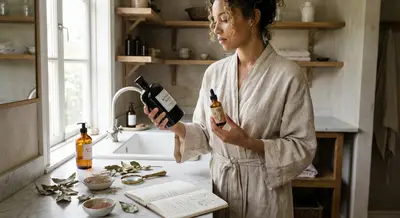

If you want skin that looks calm, clear, and naturally radiant—without relying on heavy coverage or endless actives—the real power move is simple: protect your barrier. Instead of chasing every new “miracle” ingredient, building a barrier-first routine keeps your skin stronger, more resilient, and far less reactive. This isn’t about a 20-step ritual. It’s about making a few smart, science-backed choices that let your skin do what it’s designed to do: protect, repair, and glow.
In this guide, we’ll break down how your skin barrier actually works, the ingredients that genuinely support it, and how to build a routine that fits into real life—plus product-style recommendations you can use as a template, no matter your budget or brand preferences.
Why Your Skin Barrier Matters More Than Any “Glow” Trend
Your skin barrier (specifically the outermost layer, the stratum corneum) is like a brick wall. The “bricks” are your skin cells (corneocytes) and the “mortar” is a mixture of lipids—ceramides, cholesterol, and fatty acids. When that structure is intact, skin looks smooth, feels comfortable, and holds onto moisture. When it’s damaged, everything feels off.
A compromised barrier can show up as:
- Redness or irritation after products that used to be fine
- Tightness, stinging, or burning, even with gentle formulas
- Flaking, rough patches, or dull, “tired” skin
- Breakouts or sensitivity that seem to appear out of nowhere
Common barrier disruptors include over-exfoliating, harsh cleansers, skipping moisturizer, too many strong actives at once (like high-strength retinoids and acids), and even environmental stressors such as pollution and low humidity.
Focusing on barrier health doesn’t mean giving up results. It means you’re more likely to tolerate powerful actives, less likely to overreact, and better able to maintain results long term. Strong barrier, better glow—naturally.
The Three Ingredient Families Your Barrier Loves
Instead of chasing single “hero” ingredients, think in functional categories. A balanced routine usually includes:
Humectants – Attract and bind water to the skin
Emollients – Smooth and soften the skin surface
Occlusives – Form a protective seal to prevent water loss
Within those, some ingredients have especially strong science behind them.
1. Humectants: The Water Magnets
Humectants draw moisture into the outer layers of skin from deeper layers and the environment.
Key humectants to look for:
- Glycerin – One of the most studied, effective humectants. Affordable, well-tolerated, and found in countless formulations. Great for all skin types.
- Hyaluronic acid (sodium hyaluronate) – Can hold many times its weight in water. Works best when applied to slightly damp skin and sealed in with a moisturizer.
- Aloe vera – Has humectant and soothing properties; helpful for mildly irritated or dehydrated skin.
- Urea (low concentrations ~5%) – A natural component of the skin’s own moisturizing system (NMF—natural moisturizing factor). At low concentrations, it’s hydrating and barrier-supportive.
These are especially helpful in toners, serums, and light lotions. If your skin feels tight but looks shiny or oily, it often needs humectants plus barrier lipids, not just more cleansing.
2. Emollients: The Texture Fixers
Emollients help fill in tiny gaps between cells, improving smoothness and flexibility.
Evidence-backed emollients include:
- Ceramides – Crucial for barrier structure. Formulations with ceramides (often listed as ceramide NP, AP, EOP) can help restore barrier function and reduce transepidermal water loss (TEWL).
- Squalane – A stable, non-comedogenic oil similar to squalene, a component of skin’s natural sebum. Great for normal, dry, and many acne-prone skins.
- Fatty alcohols (cetyl alcohol, stearyl alcohol) – Despite the word “alcohol,” these are barrier-friendly emollients, not drying.
- Plant oils high in linoleic acid – Like sunflower seed oil or safflower oil; can support barrier repair and are generally better tolerated than very heavy, occlusive oils for breakout-prone skin.
3. Occlusives: The Moisture Guards
Occlusives sit on top of the skin to slow water loss, ideal in drier climates or compromised barriers.
Common occlusives:
- Petrolatum – One of the most effective occlusives with strong data for reducing TEWL and supporting wound healing. Often used in ointments.
- Dimethicone – A silicone-based occlusive/emollient that’s lightweight, often used in moisturizers for sensitive skin.
- Beeswax or plant waxes – Provide a breathable barrier and are common in balms and thicker creams.
If you have oily or acne-prone skin, you might gravitate toward lighter occlusives like dimethicone or micro-doses of petrolatum in a cream, rather than heavy balm layering.
Smart Product Choices: What to Look For and What to Skip
You don’t need brand-specific loyalty to build an effective routine. Use the label and texture as your guide.
Cleansers: Gentle or Nothing
What to look for:
- “Cream,” “milk,” or “gel” cleansers that mention hydrating, gentle, or for sensitive skin
- pH-balanced (many gentle cleansers will specify this)
- Ingredients like glycerin, mild surfactants (e.g., coco-glucoside, sodium cocoyl isethionate), and soothing agents like panthenol or allantoin
What to be cautious with:
- Foaming cleansers that leave skin feeling “squeaky clean” or tight
- High-fragrance or heavily essential-oil-based formulas if your skin is reactive
- Frequent use of cleansing brushes or physical scrubs
Moisturizers: Barrier-First Formulas
Look for:
- Ceramides, cholesterol, fatty acids – especially in combination, as this better mimics skin’s natural lipid ratio
- Niacinamide (2–5%) – Can help improve barrier function, reduce redness, and support a more even tone, while generally being well-tolerated
- Panthenol (pro-vitamin B5) – Hydrating and soothing
Avoid or limit if you’re sensitized:
- Strong fragrance or strong essential oils (citrus, peppermint, eucalyptus, etc.)
- Heavily stripping “oil-free” formulas that rely on strong astringents instead of balanced hydration
Serums and Actives: Build on a Stable Base
If your barrier is already sensitive, actives should support, not challenge, your skin.
Barrier-supporting actives:
- Low-dose lactic acid in well-formulated products can support gentle exfoliation and hydration, but keep frequency low if you’re reactive.
- Azelaic acid (10–15%) can help with redness, uneven tone, and breakouts, often better tolerated than strong AHAs for sensitive or rosacea-prone skin.
- Peptides may help with hydration and skin-feel; research is promising but more mixed compared to ceramides and niacinamide.
Skins that are easily irritated should delay or minimize:
- High-concentration AHAs/BHAs used nightly
- High-strength retinoids started too quickly
- “Everything at once” routines that layer multiple strong actives
A Barrier-First Routine: Step-by-Step (Morning & Night)
Use this as a framework and adjust based on your skin type and environment. You don’t have to add everything at once—start with the basics.
Morning Routine
Cleanse (or just rinse, if needed)
- If you have dry or sensitive skin, you may not need a full cleanse in the morning; rinsing with lukewarm water can be enough. - If you’re oily or used heavy products overnight, choose a gentle, non-stripping cleanser.
Hydrating Step (Toner or Serum)
- Optional but helpful for dehydration. - Look for glycerin, hyaluronic acid, aloe, or panthenol. Apply to slightly damp skin.
Barrier-Focused Moisturizer
- Choose a light lotion if you’re oily/combo, or a richer cream if you’re dry/compromised. - Aim for formulas featuring ceramides + cholesterol + fatty acids, with niacinamide as a bonus.
Sunscreen (Non-Negotiable)
- Daily broad-spectrum SPF 30 or higher. - Mineral (zinc oxide, titanium dioxide) sunscreens can be helpful for very sensitive or redness-prone skin, while well-formulated chemical sunscreens can be more elegant for deeper skin tones and oily types. - If your skin stings with sunscreen, look for fragrance-free, alcohol-free, “for sensitive skin” formulas and patch test on the neck first.
Night Routine
First Cleanse (If You Wear Makeup or Sunscreen)
- Use a gentle oil cleanser, balm, or micellar water to dissolve sunscreen, makeup, and pollutants. - Rinse or follow product instructions.
Second Cleanse
- Follow with your gentle water-based cleanser to fully remove residue without stripping your barrier.
Targeted Treatment (Optional, 2–4x/week)
- If your barrier is stable: - Mild leave-on exfoliant (e.g., lactic acid or low-dose salicylic acid) OR - A gentle retinoid, introduced slowly (start 1–2x/week). - If your barrier is sensitive or compromised, skip this for now and focus on hydration and repair.
Repair-Focused Serum or Layer
- Hydrating serum with glycerin, hyaluronic acid, and panthenol. - For redness or sensitivity, look for centella asiatica, madecassoside, or azelaic acid.
Rich Moisturizer or “Slug-Lite”
- Apply a barrier cream with ceramides and lipids. - In very dry climates or for compromised skin, you can apply a thin layer of an occlusive (like petrolatum-based ointment) over key areas (cheeks, corners of mouth) as a final step—no need to coat your entire face.
When Your Barrier Is Already Damaged: Reset Mode
If your skin is burning, peeling, or reacting to almost everything, it’s time for a reset. That means simplifying, not adding more “soothing” products that might still contain potential irritants.
For 2–4 weeks, try:
- Minimal routine: Gentle cleanser, barrier-repair moisturizer, and sunscreen only.
- Pause actives: No exfoliating acids, scrubs, peels, retinoids, or strong vitamin C serums.
- Avoid fragrance and essential oils wherever possible.
Signs you’re improving:
- Less stinging with basic products
- Redness gradually fades
- Skin feels less tight and more comfortable
Once your skin feels stable for at least 2 weeks, you can reintroduce actives one at a time, slowly, and at lower frequency—always supported by barrier-focused hydration.
Lifestyle Tweaks That Quietly Support Your Barrier
Skincare products matter, but your daily environment and habits do, too.
- Humidity helps: In very dry indoor air (heating or AC), a humidifier can reduce water loss from your skin.
- Over-hot water hurts: Lukewarm water is less disruptive to your barrier than long, hot showers or scalding face washing.
- Diet diversity supports skin: A pattern rich in fruits, vegetables, whole grains, healthy fats (like omega-3s in fatty fish, walnuts, flaxseed), and adequate protein supports skin repair and inflammation control.
- Stress shows on skin: Chronic stress can worsen inflammatory skin conditions (like eczema and acne). Even simple practices—regular walks, short breathing exercises, consistent sleep—can help indirectly calm your skin.
You don’t need perfection here; small, consistent improvements are enough to make a difference over time.
Putting It All Together: A Natural-Looking Glow Built on Resilience
Healthy, naturally beautiful skin isn’t about using the most products—it’s about using the right ones in the right order, at the right strength for your skin. When you prioritize your barrier:
- Products sting less and work better
- Redness and irritation often decrease
- Skin looks more even, plump, and quietly luminous—without highlighters or filters
Start with the basics: gentle cleansing, daily sunscreen, and a moisturizer that actually reinforces your barrier with humectants, emollients, and occlusives. Layer in actives carefully, only once your skin feels steady. That’s how you build a routine that’s not just “natural” in marketing language, but genuinely aligned with how your skin is designed to function.
Your barrier is your skin’s first line of defense—and your most underrated path to a calm, confident, naturally radiant complexion.
Sources
- American Academy of Dermatology – Moisturizers: What They Do and How to Choose One – Overview of how moisturizers work and key ingredients like ceramides and humectants
- Cleveland Clinic – Skin Barrier: What It Is and How to Protect It – Explains the structure and function of the skin barrier and common disruptors
- Journal of Clinical and Aesthetic Dermatology – The Use of Ceramides and Other Lipids in Skin Care – Research review on ceramides, fatty acids, and cholesterol in restoring barrier function
- National Center for Biotechnology Information – Transepidermal Water Loss and Its Clinical Significance – Discusses TEWL, barrier integrity, and how different ingredients impact water loss
- Harvard Health Publishing – The Science of Skin Care – Evidence-based overview of skincare principles, including gentle cleansing and moisturizing strategies
Key Takeaway
The most important thing to remember from this article is that this information can change how you think about Natural Beauty.