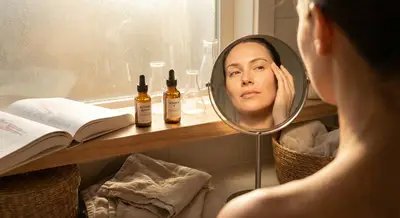

Aging isn’t a problem to “fix”—it’s a biological process you can influence. The goal isn’t to erase every line; it’s to keep your skin strong, responsive, and comfortable for as long as possible. This guide breaks down anti-aging skincare into what actually changes in your skin over time, which ingredients really move the needle, and how to build a routine that works in real life—not just in a 12-step social media trend.
What “Aging Skin” Really Means (Beyond Fine Lines)
Before you reach for products, it helps to know what you’re targeting. Skin aging is a combination of intrinsic (genetic, chronological) aging and extrinsic (UV, pollution, lifestyle) aging. They show up in similar ways but are driven by different mechanisms.
Key changes below the surface:
- Collagen and elastin decline
Fibroblasts in the dermis slow down production of collagen (especially type I and III) and elastin. UV exposure accelerates their breakdown through enzymes called matrix metalloproteinases (MMPs). Result: sagging, loss of firmness, and deeper wrinkles.
- Thinning epidermis and slower cell turnover
Keratinocyte turnover slows, leading to dullness, rough texture, and more visible lines. Wound healing also takes longer.
- Barrier function weakens
Levels of ceramides, cholesterol, and fatty acids decrease. That means more water loss (TEWL), increased sensitivity, and a tighter, drier feel.
- Pigmentation becomes uneven
Chronic UV exposure drives melanocytes to produce melanin irregularly, showing up as sun spots, age spots, and mottled tone.
- Vascular and structural changes
Reduced microcirculation can contribute to a sallow tone. Repeated expressions deepen dynamic lines, which eventually become static.
Anti-aging skincare works best when you target these processes—not just the symptom you see in the mirror.
The Core Anti-Aging Ingredients That Actually Do Something
Marketing throws dozens of “miracle” ingredients at you. In reality, the most effective anti-aging topicals fall into a handful of well-studied categories: retinoids, antioxidants, barrier-supporting lipids, exfoliants, and DNA/repair-support ingredients.
Retinoids: The Backbone of Anti-Aging
Retinoids are vitamin A derivatives and remain the gold standard in topical anti-aging.
What they do (with strong evidence):
- Increase collagen production and reduce collagen breakdown
- Speed up cell turnover to improve texture and fine lines
- Help fade hyperpigmentation over time
- Improve overall skin thickness and elasticity
Types you’ll see in skincare:
- Prescription tretinoin (retinoic acid) – Most potent; extensive evidence for photoaging.
- Adapalene – Originally for acne but also supports anti-aging benefits.
- Retinaldehyde (retinal) – Stronger than retinol, gentler than tretinoin; good compromise for many.
- Retinol – Widely available, effective but slower; depends heavily on formulation and stability.
- Retinyl esters (e.g., retinyl palmitate) – Gentle, often too weak for meaningful anti-aging in many people.
Suggested product types (examples):
- Beginner-friendly retinal serum from a science-focused brand that publishes clinical data and uses opaque, air-restrictive packaging.
- Derm-prescribed tretinoin cream or gel if you can tolerate and commit to consistent use and appropriate sun protection.
- Opaque, airless packaging
- Clear percentage labeling (e.g., 0.1% retinal, 0.025% tretinoin)
- Fragrance-free formulas if your skin leans sensitive
Look for:
Antioxidants: Shielding Skin From Everyday Damage
UV light and pollution generate free radicals that damage proteins, lipids, and DNA. Antioxidants help neutralize this stress.
Key antioxidants with solid data:
- Vitamin C (L-ascorbic acid)
- Boosts collagen synthesis
- Fights free radical damage
- Brightens hyperpigmentation
Works best at 10–20% in a water-based, low pH formula, or in stabilized derivatives for sensitive skin.
- Vitamin E (tocopherol) and ferulic acid
- Stabilize vitamin C
- Provide synergistic antioxidant protection
Often paired with vitamin C to enhance UV protection (but not a substitute for SPF).
- Niacinamide (vitamin B3)
- Improves barrier function
- Reduces redness and sallowness
- Supports a more even tone
Typically effective at 2–5% concentrations.
- Green tea polyphenols, resveratrol, coenzyme Q10
- Additional antioxidant support; may be helpful especially in polluted environments.
- Dark or opaque bottles
- Clear indication of concentration
- Brand transparency on pH and stability, especially for L-ascorbic acid
Look for:
Barrier Builders: Ceramides, Cholesterol, and Fatty Acids
Without a strong barrier, even the best anti-aging actives will irritate more than they help.
Barrier-supportive ingredients:
- Ceramides (NP, AP, EOP, etc.) – Replenish critical lipids that decline with age
- Cholesterol – Works synergistically with ceramides and fatty acids
- Fatty acids (linoleic acid, oleic acid) – Support barrier and flexibility
- Humectants (glycerin, hyaluronic acid, urea) – Attract and hold water in the stratum corneum
- Combine humectants + emollients + occlusives
- Include ceramides and cholesterol for mature or dry skin
- Come in tubes, pumps, or airless packaging rather than open jars when possible
Ideal moisturizers for anti-aging:
Smart Exfoliation: Resurfacing Without Destroying Your Barrier
Exfoliants can reduce dullness and fine lines—if you don’t overdo it.
Chemical exfoliants:
- AHAs (glycolic, lactic acid)
- Surface exfoliation
- Improve texture, minor pigmentation
- Glycolic is more potent; lactic is gentler and hydrating
- BHAs (salicylic acid)
- Oil-soluble; penetrate into pores
- Better for those with breakouts or congestion
Over-exfoliation is a common reason anti-aging routines fail. Signs: stinging, burning, tightness, increased redness, flakiness.
Guidelines:
- Mature or dry skin: reach for lactic acid or low-strength AHAs once or twice weekly.
- Oily or acne-prone but aging: a gentle BHA 2–3x weekly may help.
Support and Repair: Peptides, Growth Factors, and DNA Helpers
These aren’t as universally proven as retinoids, but some have promising data as supportive players.
- Peptides (e.g., palmitoyl tripeptide-1, palmitoyl tetrapeptide-7)
May signal skin to produce more collagen or reduce pro-inflammatory signals.
- Growth factor–containing products
May support wound healing and collagen synthesis; evidence varies by product and formulation.
- DNA repair enzymes (e.g., photolyase, endonuclease)
Used in some sunscreens or after-sun formulations; early data suggests reduced UV-induced damage and potential support for people with high cumulative sun exposure.
Treat these as “nice-to-have add-ons,” not foundational.
The Non-Negotiable: Daily Sunscreen as Your Real Anti-Aging Workhorse
If you only implement one anti-aging habit, make it this: broad-spectrum sunscreen every single morning, 365 days a year.
Why:
- Up to 80–90% of visible facial aging is linked to UV exposure.
- UVA (aging rays) penetrate clouds and windows and are present all year.
- UV drives collagen breakdown, uneven pigmentation, and texture changes.
What to look for:
- Broad-spectrum labeled (UVA + UVB coverage)
- SPF 30 or higher for everyday; SPF 50 in high UV environments or outdoor days
- Texture you like enough to actually use daily (gel, lotion, fluid, hybrid)
- For sensitive or reactive skin: mineral filters (zinc oxide, titanium dioxide) may be better tolerated.
Application:
- Use about 2 finger-lengths of product for the face and neck.
- Apply as the last step of your morning routine (before makeup).
- Reapply every 2 hours if you’re outdoors or getting direct sun.
Building a Real-World Anti-Aging Routine: Step-by-Step
Below is a practical structure you can adapt to your skin type and budget. You don’t need a dozen products; you need the right ones used consistently.
Morning Routine (Protect + Support)
Gentle Cleanser (optional if not oily)
- Use a low-pH, non-stripping cleanser. - In very dry or sensitive skin, splash with lukewarm water instead.
Antioxidant Serum
- Vitamin C (10–20% L-ascorbic acid) if tolerated, or a stabilized derivative (e.g., sodium ascorbyl phosphate, 3-O-ethyl ascorbic acid). - If C irritates you, use niacinamide or a mixed antioxidant serum instead.
Moisturizer
- Lightweight gel-cream for normal/oily. - Ceramide-rich cream for dry or mature skin.
Sunscreen (SPF 30 or higher)
- Apply generously and let it settle for 10–15 minutes before makeup or heading out.
Optional add-ons:
- Niacinamide serum if you’re working on pores, redness, or oil balance.
- Eye cream only if you need different texture or specific actives; otherwise, your regular moisturizer usually suffices.
Evening Routine (Repair + Renew)
Cleanser
- If you wear makeup or sunscreen, use either: - A balm/oil cleanser followed by a gentle water-based cleanser (double cleanse), or - A single, effective but non-stripping cleanser.
Retinoid (2–4 nights per week to start)
- Start 2x/week and increase gradually as tolerated. - “Sandwich method” for sensitive skin: moisturizer → retinoid → moisturizer again.
Moisturizer
- Support barrier recovery with ceramides and humectants. - If you’re on a prescription retinoid, a thicker, more cushioning moisturizer often helps.
On non-retinoid nights:
- Use a hydrating, barrier-focused routine.
- Add gentle exfoliation 1–2x/week (e.g., lactic acid toner or serum) if you tolerate it and aren’t already irritated.
Product Strategy by Skin Type and Concern
If Your Main Concern Is Fine Lines and Overall Texture
Focus on: retinoid + vitamin C + sunscreen
- Morning:
- Antioxidant serum
- Midweight moisturizer
- SPF 30+
- Evening (3–5x/week):
- Retinal or low-strength tretinoin
- Ceramide-rich moisturizer
Add hydrating serum (glycerin, hyaluronic acid, panthenol) if you feel tight or dehydrated.
If Pigmentation and Sun Spots Bother You Most
Focus on: UV protection + pigment modulators + retinoid
- Morning:
- Vitamin C or niacinamide
- Possibly azelaic acid or tranexamic acid product for added pigment control
- SPF 30+ (non-negotiable; hyperpigmentation will persist without it)
- Evening:
- Retinoid
- Targeted serum with azelaic acid, niacinamide, or tranexamic acid on off-retinoid nights
- Moisturizer
Consider seeing a dermatologist about prescription options (e.g., hydroquinone for short-term use, tretinoin) or procedural treatments (chemical peels, lasers) if topical care isn’t enough.
If Your Skin Is Very Dry, Sensitive, or Reactive
Your priority is barrier support first, actives second.
- Simplify:
- Fragrance-free, low-foaming cleanser
- Rich moisturizer with ceramides, cholesterol, and fatty acids
- Mineral or hybrid sunscreen
- Introduce actives slowly:
- Start with niacinamide (2–5%) and low-strength retinol or retinal 1–2x/week.
- Avoid strong acids initially; consider lactic acid at low concentration if you want mild exfoliation.
If stinging, burning, or persistent redness occurs, pause actives and focus exclusively on barrier repair for 1–2 weeks.
Lifestyle Shifts That Amplify Your Skincare
Topicals are powerful, but they work best alongside daily habits that reduce the load on your skin.
- UV avoidance behaviors
- Shade-seeking between 10 a.m. and 4 p.m.
- Wide-brim hats, UV-blocking sunglasses, and UPF clothing outdoors.
- Sleep and repair
- Collagen and barrier repair processes peak overnight.
- Aim for 7–9 hours; chronic sleep deprivation correlates with increased signs of aging and slower barrier recovery.
- Nutrition
- Focus on a diet rich in fruits, vegetables, healthy fats (omega-3s), and lean proteins.
- Micronutrients like vitamins C, E, A, zinc, and essential fatty acids support skin structure and repair from within.
- Smoking and excessive alcohol
- Both accelerate collagen breakdown and impair microcirculation.
- Reducing or eliminating them is one of the most impactful “anti-aging” moves you can make.
- Chronic stress
- Elevated cortisol can impair barrier recovery and contribute to inflammatory skin conditions.
- Consistent stress-management practices (exercise, mindfulness, therapy) have indirect but real skin benefits.
Common Anti-Aging Myths You Can Safely Ignore
- “More steps = better results.”
Result comes from targeted ingredients used consistently, not from the number of products.
- “If it burns, it’s working.”
Persistent burning is usually irritation—not effectiveness. Retinoids and acids might tingle mildly but should not cause ongoing pain.
- “Natural is always safer or better.”
Poison ivy is natural; “natural” doesn’t equal safe or effective. Look at data, not marketing language.
- “You’re too young / too old to start anti-aging skincare.”
In your 20s, daily sunscreen and gentle antioxidants are smart prevention. In your 40s, 50s, and beyond, it’s absolutely worthwhile to start retinoids and barrier care; the skin remains biologically responsive.
Conclusion
You don’t need to chase every trend, ingredient, or gadget to support aging skin. A thoughtful anti-aging routine is built on a few pillars:
- Daily, generous broad-spectrum sunscreen
- A retinoid your skin can tolerate long-term
- Antioxidants to buffer everyday damage
- Barrier-supportive moisturizers to keep your skin resilient
- Reasonable lifestyle choices that lower the load on your skin
From there, you can add targeted products as needed. The most powerful anti-aging strategy isn’t perfection—it’s consistency with the right fundamentals, tailored to how your skin behaves and what you want it to do for you in the years ahead.
Sources
- American Academy of Dermatology – Skin Aging & Sun Exposure – Overview of how UV exposure accelerates visible skin aging and recommended protection strategies.
- Mayo Clinic – Retinol: Creams and Serums for Wrinkles – Explains how retinoids work, their benefits, and considerations for use in anti-aging skincare.
- Harvard Health Publishing – What is photoaging? – Breaks down the mechanisms of photoaging and the role of sun protection in prevention.
- National Center for Biotechnology Information (NCBI) – Cosmeceuticals for the Aging Face – Peer-reviewed review of common anti-aging ingredients including retinoids, antioxidants, and peptides.
- Cleveland Clinic – Aging Skin: Causes & Treatment – Clinical perspective on what happens to skin with age and treatment approaches, including skincare and lifestyle factors.
Key Takeaway
The most important thing to remember from this article is that this information can change how you think about Anti-Aging.