Acne and stubborn blemishes can feel like they’re running the show—but they don’t have to. When you understand what’s happening beneath the surface of your skin, it becomes much easier to choose products that work, build a routine that fits your life, and stop wasting money on overhyped “cures.” This guide breaks down the science of acne in plain language and turns it into a practical, step‑by‑step game plan you can actually follow.
What Really Causes Acne? The Science in Simple Terms
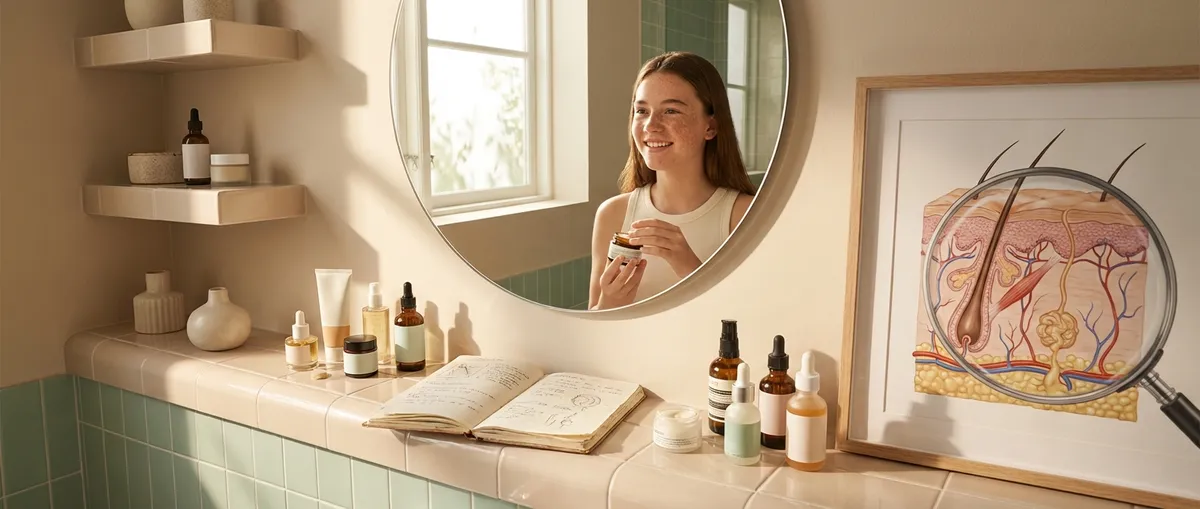
Acne is not just about “dirty skin” or “eating chocolate.” It’s a complex skin condition with four main drivers:
Excess sebum (oil) production
Hormones—especially androgens like testosterone—signal your oil glands to produce more sebum. This usually ramps up in puberty, around menstrual cycles, during stress, and with certain medications.
Clogged pores (abnormal shedding of skin cells)
In acne-prone skin, dead skin cells inside the pore don’t shed properly. They stick together with oil and form a plug (microcomedone), which can become a whitehead or blackhead.
- Bacteria (C. acnes)
Cutibacterium acnes (formerly Propionibacterium acnes) is a normal skin bacterium that thrives in oily, low-oxygen environments like clogged pores. When overgrown, it can stimulate inflammation.
Inflammation
The immune system reacts to the clogged pore and bacteria, leading to redness, swelling, and those painful, deeper pimples (papules, pustules, nodules).
Types of Acne & Blemishes
Understanding what you’re dealing with helps you choose the right treatment:
- Comedonal acne: blackheads (open comedones) and whiteheads (closed comedones)
- Inflammatory acne: red bumps (papules) and pus-filled spots (pustules)
- Cystic/nodular acne: deep, painful lumps under the skin
- Post-inflammatory marks:
- PIE (post-inflammatory erythema): red or pink marks
- PIH (post-inflammatory hyperpigmentation): brown or dark spots
- Scars: textural change—dents, ice-pick scars, or raised scars
Each type responds best to specific ingredients and strategies, which we’ll map out below.
Ingredient Deep Dive: What Actually Works (and Why)
Not all acne products are created equal. Below is a breakdown of the most evidence-backed ingredients, what they do, and how to use them strategically—not all at once.
1. Salicylic Acid (BHA)
What it is: A beta-hydroxy acid that’s oil-soluble.
What it does:
- Penetrates into pores to dissolve excess oil and debris
- Helps unclog blackheads and whiteheads
- Gently exfoliates to reduce rough texture and dullness
- Has mild anti-inflammatory properties
- Oily/combination skin
- Blackheads, whiteheads, congestion
- 0.5–2% leave-on products (toners, serums, gels) once daily or every other day
- Avoid overusing with other strong exfoliants to prevent irritation
Best for:
How to use:
Example products (for reference, not endorsements):
- Paula’s Choice Skin Perfecting 2% BHA Liquid Exfoliant
- Neutrogena Oil-Free Acne Wash (salicylic acid cleanser)
2. Benzoyl Peroxide (BPO)
What it is: A topical antimicrobial ingredient.
What it does:
- Kills C. acnes bacteria without causing antibiotic resistance
- Reduces inflammatory lesions (red, painful pimples and pustules)
- Helps prevent antibiotic resistance when used with topical/oral antibiotics
- Red, inflamed pimples
- Mild to moderate acne
Best for:
How to use:
- Start with 2.5–5% (higher strengths aren’t always more effective, just more irritating)
- Use once daily (evening is ideal), then increase to twice daily only if tolerated
- Can bleach fabrics—use white towels/pillowcases
Example formats:
- PanOxyl 4% or 10% Acne Foaming Wash
- La Roche-Posay Effaclar Duo (with benzoyl peroxide in some versions)
3. Retinoids (Retinol, Adapalene, Tretinoin, etc.)
What they are: Vitamin A derivatives; some are over-the-counter (OTC), others are prescription.
What they do:
- Normalize cell turnover to prevent clogged pores
- Help clear existing comedones and reduce new breakouts
- Long-term: improve fine lines, texture, and pigment irregularities
- Foundation of many evidence-based acne routines
Types:
- Adapalene 0.1% (OTC): great starting retinoid for acne
- Tretinoin, tazarotene, higher-strength adapalene (Rx): stronger, for moderate to severe acne
- Cosmetic retinols/retinaldehyde: milder, more for anti-aging + mild acne
Best for:
- Comedonal acne, mixed acne, prevention of new breakouts
- Long-term skin health and texture
How to use:
- Start 2–3 nights per week, pea-sized amount for the whole face
- Apply to completely dry skin to reduce irritation
- Moisturize after (or sandwich between moisturizer layers if very sensitive)
Common OTC option:
- Differin Gel (adapalene 0.1%)
4. Niacinamide
What it is: A form of vitamin B3.
What it does:
- Reduces inflammation and redness
- Helps regulate sebum production
- Strengthens the skin barrier
- Can help fade hyperpigmentation over time
Best for:
- Sensitive, redness-prone, or combination skin
- Those using “actives” like BHA, BPO, or retinoids who need calming support
How to use:
- 2–5% serums used once or twice daily
- Generally well-tolerated and plays nicely with most other ingredients
5. Azelaic Acid
What it is: A dicarboxylic acid found naturally in grains (and produced by skin microflora).
What it does:
- Antimicrobial and anti-inflammatory
- Helps reduce both acne and rosacea-type redness
- Inhibits excess melanin production—great for dark spots (PIH)
Best for:
- Acne with persistent redness or dark marks
- Sensitive or rosacea-prone skin
How to use:
- 10% OTC formulations once or twice daily; prescription strengths are higher
- Can be layered with retinoids and niacinamide
6. Alpha Hydroxy Acids (AHAs: Glycolic, Lactic, Mandelic)
What they do:
- Exfoliate the skin’s surface by loosening dead cells
- Smooth texture and brighten tone
- Help with marks and mild textural scarring over time
Best for:
- Acne with lingering post-inflammatory hyperpigmentation
- Combo or dry skin that doesn’t tolerate BHA well
How to use:
- Low-strength daily toners (5% or less) or weekly peels (up to 10% OTC)
- Always pair with daily sunscreen—AHAs make skin more sun-sensitive
7. Supportive Ingredients (Hydration & Barrier)
When you treat acne, you must protect your barrier. Over-drying can trigger more oil, irritation, and breakouts.
Look for:
- Humectants: hyaluronic acid, glycerin, panthenol
- Barrier-repair lipids: ceramides, cholesterol, fatty acids
- Soothing agents: centella asiatica, oat extract, allantoin, aloe
These don’t “cure” acne but make active treatments more tolerable and your routine sustainable.
Building a Step-by-Step Acne Routine (Mild, Moderate & Stubborn)
Here’s how to turn all this theory into a routine you can follow without feeling overwhelmed. Adjust based on your skin type and acne severity.
General Rules for All Skin Types
- Introduce one new active at a time (every 2–4 weeks).
- Be consistent: real change usually takes 8–12 weeks, sometimes longer.
- If your skin is burning, peeling heavily, or painful—dial back.
- Always wear a broad-spectrum SPF 30 or higher in the morning.
Routine for Mild Acne (Blackheads, Whiteheads, Occasional Pimples)
Morning
Cleanser:
- Gentle, non-stripping gel or cream cleanser - Example: CeraVe Hydrating Cleanser, La Roche-Posay Toleriane Hydrating or Purifying
Treatment (optional):
- Niacinamide serum (2–5%) OR low-strength salicylic acid toner/serum (0.5–1%) - If using BHA in the morning, avoid other strong exfoliants at night initially.
Moisturizer:
- Lightweight, non-comedogenic, with ceramides or glycerin
Sunscreen:
- Broad-spectrum SPF 30+ (gel/fluids often feel better on acne-prone skin)
Evening
- Cleanser: Gentle cleanser (double cleanse only if wearing heavy makeup/waterproof SPF).
Treatment:
- Salicylic acid (if not using in the morning), OR - Start a retinoid like adapalene 0.1% 2–3x/week.
Moisturizer:
- Barrier-supporting moisturizer, especially if using retinoids or BHA.
Routine for Moderate Acne (Frequent Pimples, Mixed Comedonal & Inflammatory)
Morning
Cleanser:
- Gentle cleanser or low-strength benzoyl peroxide wash (2.5–4%), rinsed off thoroughly.
Treatment:
- Niacinamide serum (to balance oil & calm skin). - Spot treat active red pimples with benzoyl peroxide gel if not using BPO wash.
Moisturizer:
- Non-comedogenic, with ceramides and humectants.
Sunscreen:
- Broad-spectrum SPF 30+ daily.
Evening
- Cleanser: Gentle, non-medicated cleanser.
Treatment:
- Adapalene 0.1% gel (retinoid) 2–4 nights/week to start, then nightly as tolerated. - Off nights: use azelaic acid (10%) for redness and dark marks, or just moisturize if irritated.
Moisturizer:
- Apply after treatment; if you’re sensitive, use the “retinoid sandwich” method: Moisturizer → thin layer of retinoid → another thin layer of moisturizer.
Spot Treatment Strategy:
- Use benzoyl peroxide only on active inflamed lesions or breakout-prone zones (e.g., chin, jaw) instead of the entire face if you’re dry or sensitive.
Routine for Stubborn or Severe Acne (Cystic, Nodular, Scarring)
If you’re dealing with deep, painful cysts, widespread breakouts, or scarring:
- Do not rely on skincare alone.
- This is when dermatologist care is critical.
Potential treatments (discuss with a professional):
- Prescription-strength retinoids (tretinoin, tazarotene)
- Topical/oral antibiotics (short-term, always paired with benzoyl peroxide)
- Hormonal therapies (combined oral contraceptives, spironolactone)
- Oral isotretinoin for severe, scarring acne
- In-clinic procedures: cortisone injections for cysts, chemical peels, light/laser therapies
Home routine still matters—focus on gentle cleansing, basic actives recommended by your derm, and diligent sun protection.
Fading Dark Marks & Preventing Scars
Active breakouts are one battle; the marks and scars they leave can feel like another.
1. Don’t Pick—Here’s Why It Matters
- Squeezing or picking increases inflammation, which:
- Raises the risk of PIH/PIE
- Can physically damage the follicle and lead to textural scarring
- If you must extract a blackhead or whitehead, get it done by a licensed professional.
2. Ingredients for Dark Marks (PIH) & Red Marks (PIE)
- Sunscreen (non-negotiable):
UV exposure darkens PIH and prolongs redness. Daily SPF is the most important “brightening” step.
- Azelaic Acid:
Helps reduce both redness and brown spots over time.
- Niacinamide:
Supports brightening and reduces redness with good tolerability.
- AHAs (e.g., glycolic, lactic, mandelic acid):
Used carefully, they speed up cell turnover and help fade marks.
- Retinoids:
Long-term, they smooth texture and support more even skin tone.
3. Managing Textural Scars
Topicals (retinoids, AHAs) can slightly improve mild textural issues, but for deeper scars, consider in-clinic options:
- Microneedling
- Chemical peels
- Fractional laser
- Subcision
- Fillers for certain scar types
A dermatologist can match the procedure to your specific scar patterns.
Product Selection: How to Read Labels Like a Pro
You don’t need a 10-step routine or luxury price tags. Use this checklist to filter products quickly:
Look for “non-comedogenic” or “won’t clog pores”
Not a perfect guarantee, but a helpful starting filter.
Short, focused ingredient lists
Especially for treatment products—look for the active (e.g., “2% salicylic acid”) near the top.
Avoid common irritants if you’re sensitive:
- Heavy fragrance (especially in leave-ons)
- High alcohol content (denatured alcohol as 1st–3rd ingredient)
- Overlapping strong actives (e.g., multiple acids + strong retinoid)
Patch test
Apply a small amount behind the ear or along the jawline for 2–3 nights before full-face use.
Price ≠ efficacy
Many gold-standard acne ingredients are available in affordable drugstore products.
Lifestyle Factors That Actually Matter (and What’s Overhyped)
Acne is primarily genetic and hormonal, but some lifestyle shifts can support clearer skin.
Helpful Habits
- Consistent sleep & stress management
Chronic stress can influence hormones and inflammation. Think: short walks, breathing exercises, regular movement.
- Smart diet tweaks (not extreme restrictions)
- High glycemic index foods (sugary drinks, refined carbs) and some dairy—especially skim milk—may worsen acne in some people.
- A balanced diet with plenty of vegetables, fiber, and healthy fats supports overall skin health.
- Clean but not obsessive hygiene
- Change pillowcases 1–2x/week.
- Clean phones, makeup brushes regularly.
- Avoid scrubbing skin harshly—this worsens irritation.
Overrated or Misleading Myths
- “Detox teas” or supplements advertised as acne cures
- Toothpaste as a spot treatment (too irritating)
- Strong astringent toners or alcohol-based products “to dry out” acne
- Washing your face more than 2x/day
When to See a Dermatologist (Don’t Wait Too Long)
Consider professional help if:
- Your acne is painful, cystic, or leaving scars
- OTC routines haven’t helped after 3–4 months of consistent use
- Your breakouts are closely tied to menstrual cycles or PCOS-like symptoms
- Acne is impacting your confidence, mental health, or social life
Early treatment can prevent permanent scarring and is absolutely worth it.
Conclusion
Acne isn’t a reflection of your hygiene, your worth, or your willpower—it’s a medical skin condition with real, science-backed solutions. When you understand what type of acne you have, which ingredients target which problems, and how to build a gentle, consistent routine, you take back control.
You don’t need perfection; you need progress and a plan you can stick with. Start simple: a gentle cleanser, one or two proven actives (like salicylic acid, benzoyl peroxide, or a retinoid), a solid moisturizer, and daily sunscreen. Give your skin time, listen to its feedback, and don’t hesitate to bring in a dermatologist as your ally.
Clearer, calmer skin is a process—but with the right strategy, it’s absolutely within reach.
Sources
- American Academy of Dermatology – Acne: Diagnosis and Treatment – Overview of evidence-based acne treatments and when to see a dermatologist
- American Academy of Dermatology – Acne: Overview – Explains causes of acne, types of lesions, and general management
- Mayo Clinic – Acne – Detailed explanation of acne causes, risk factors, and treatment options
- Journal of Clinical and Aesthetic Dermatology – Adapalene in the Treatment of Acne – Clinical review of adapalene’s effectiveness and tolerability for acne
- Harvard Health – Diet and Acne: Is There a Link? – Evidence-based discussion of how diet (glycemic load, dairy) may influence acne
Key Takeaway
The most important thing to remember from this article is that this information can change how you think about Acne & Blemishes.